Clinical Intelligence
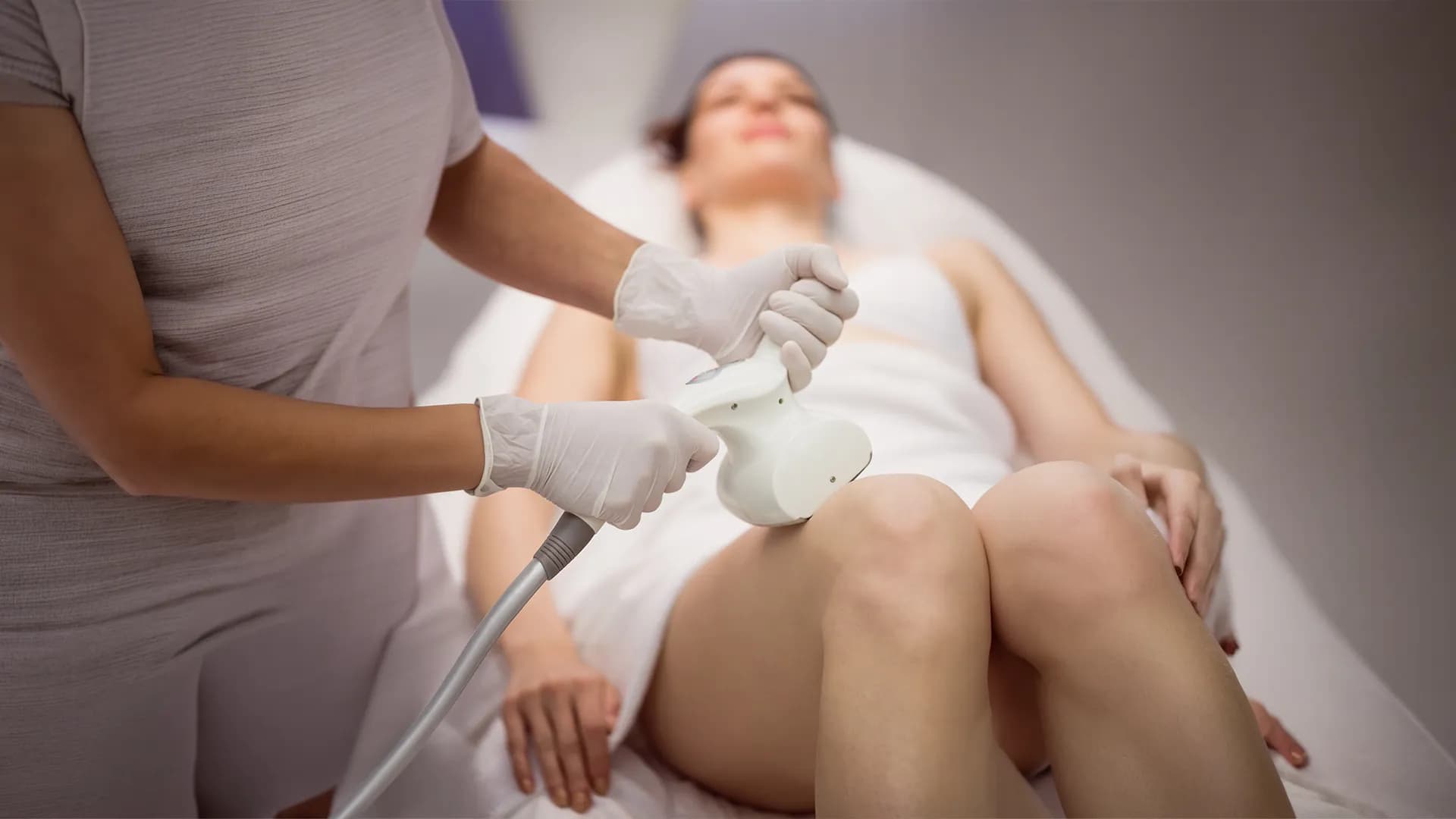
Non-Invasive Body Contouring: Methods That Actually Reduce Fat
Fat loss and skin tightening once required strict diet discipline or surgery. The past decade has transformed what's possible. Fat cells can now be destroyed precisely and selectively without surgery, with the body's immune system clearing them whilst non-invasive approaches deliver measurable results.
Synthetic Exosomes in Aesthetic Medicine: A Practitioner's Guide
Breakthroughs in particle size and standardisation have transformed synthetic exosomal delivery from incremental gains to mainstream aesthetic practice. Many practitioners still treat them as a black box, which is frustrating because the science is genuinely elegant and the clinical outcomes are reproducible. This guide offers clarity on mechanism, protocol, and clinical outcomes so you can deploy synthetic exosomes with real confidence.
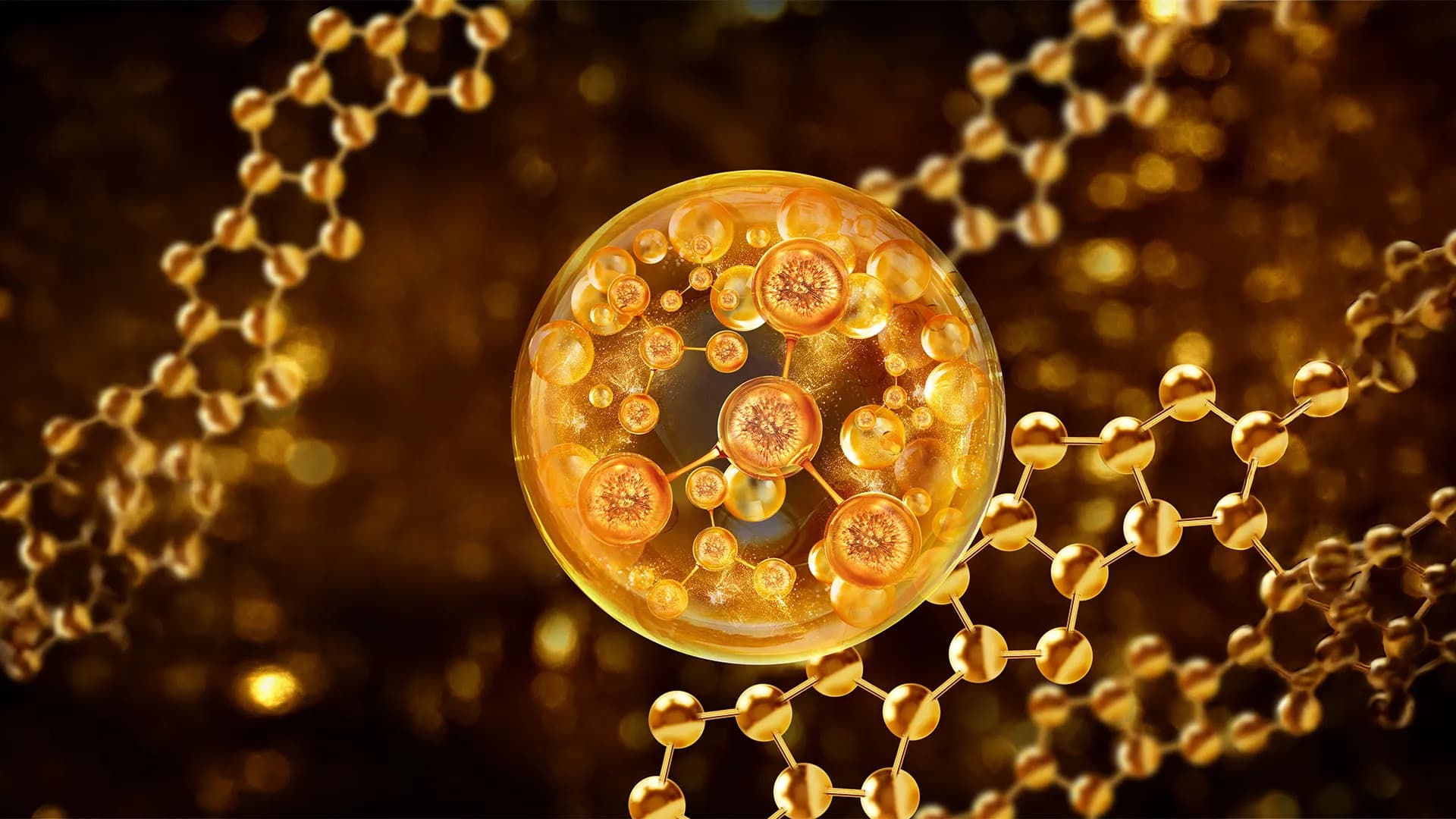
PDRN in Dermatology: Clinical Evidence and Protocol Design
Whilst aesthetic modalities rise and plateau, some molecules persist because they're grounded in sound biology rather than fashion trends. Polydeoxyribonucleotide (PDRN) exemplifies this principle. Originally used in wound healing, it has migrated to mainstream dermatology across Asia and Europe with reproducible outcomes in skin rejuvenation and hair restoration. India represents genuinely uncontested territory for PDRN expertise, which is your opportunity to own.

Carbon Peel Protocols: Gabellina Technology and Treatment Customisation
As carbon peel film dries on skin, it oxidises the upper stratum corneum, tightens the dermis, and creates permeability that enables deeper ingredient penetration. The V Carbon System combines activated charcoal powder with Gabellina (a molecular complex of GABA and biomimetic polypeptide) into a protocol platform that adapts to patient depth, indication, and skin type. This article explores carbon peel science: Gabellina's post-peel lifting mechanism, and customisation strategies for reliable outcomes across diverse patient profiles.

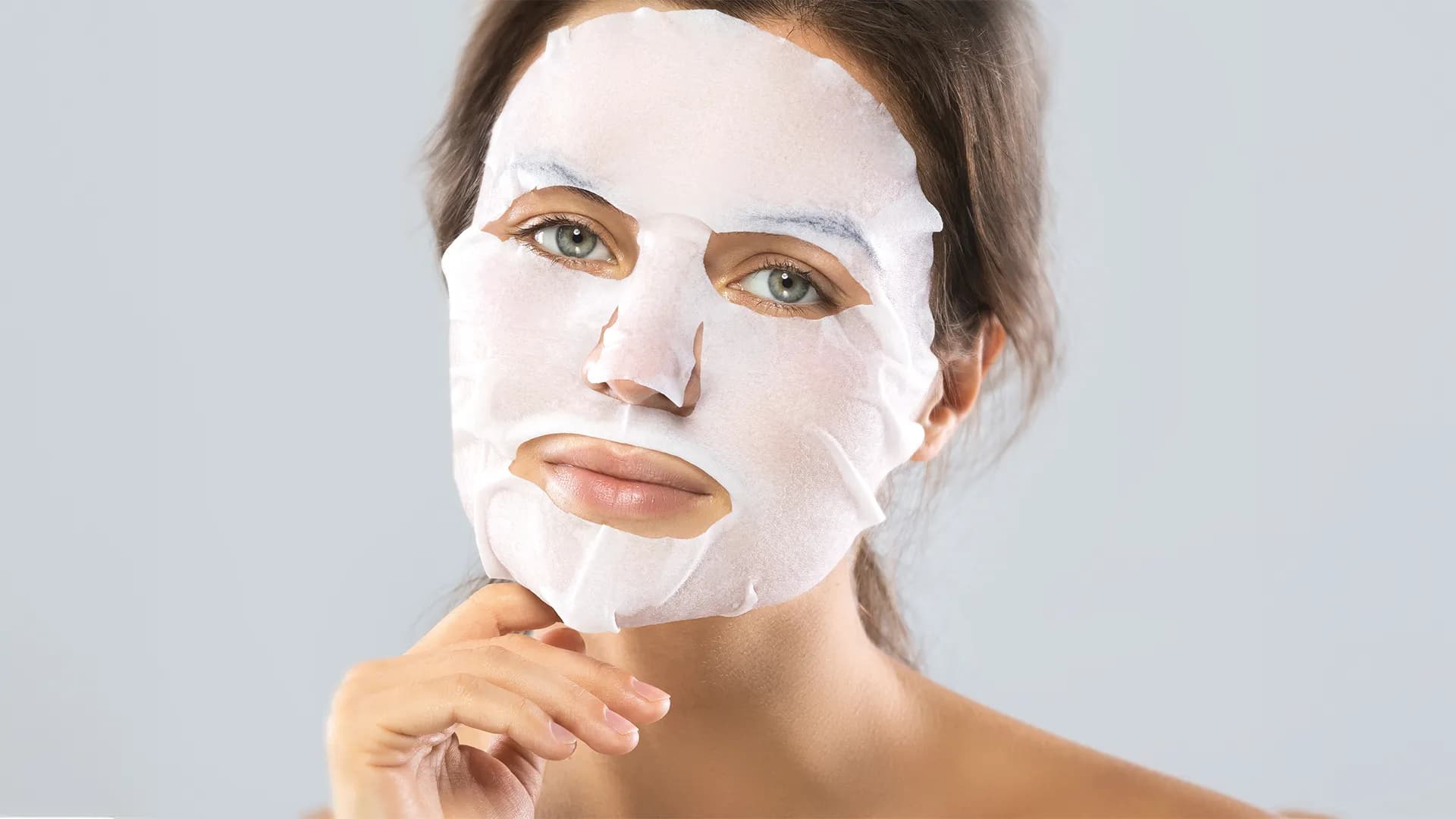
Biocellulose Masks in Post-Procedure Recovery: What the Evidence Shows
The first 72 hours after skin procedures represent active intervention windows, not mere recovery time. Patient skin becomes permeable, inflamed, and metabolically accelerated, allowing active ingredients to penetrate epidermis and dermis without the intact-barrier obstacles that normally block delivery. Post-procedure recovery functions as active biological engineering rather than passive wound protection, where biocellulose masks containing regenerative actives serve as precision delivery platforms.
Skin Rejuvenation Treatment: How to Turn Back the Clock Without Surgery
Most of us will spend more time thinking about our skin after age 30 than we did in our entire 20s. Lines deepen, texture shifts, and firmness fades. The traditional narrative has been bleak: accept ageing or undergo surgery.